Wildlife North America . com North American Animals - mamals, birds, reptiles, insects |
Mallard (Anas platyrhynchos)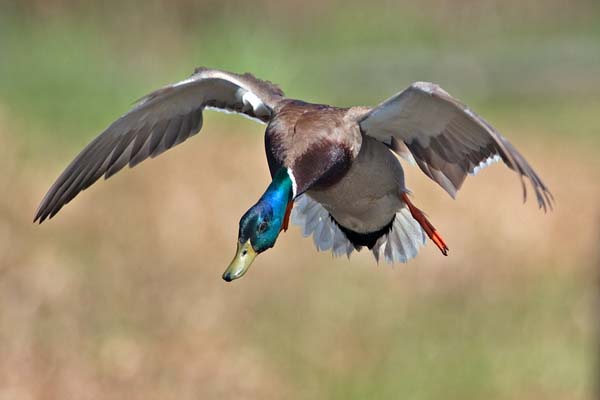
Mallard (Male), Burnaby Lake Regional Park (Piper Spit), Burnaby, British Columbia Photograph by Alan And Elaine Wilson. Some rights reserved. (view image details) 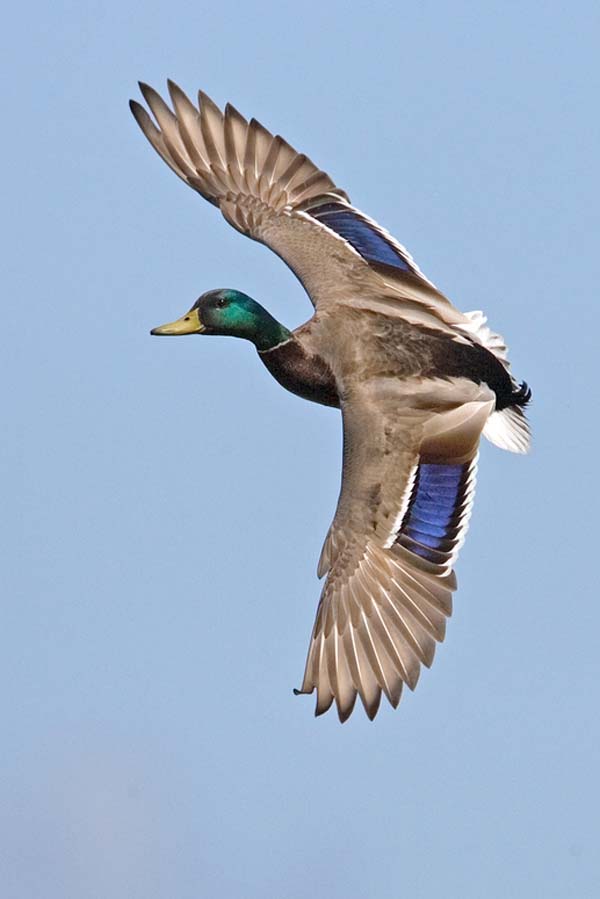
Mallard (Male), Reifel Migratory Bird Sanctuary, Ladner, British Columbia Photograph by Alan And Elaine Wilson. Some rights reserved. (view image details) 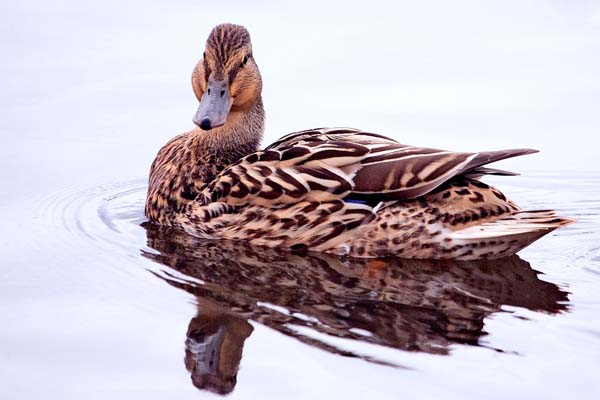
Mallard (Female), Burnaby Lake Regional Park (Piper Spit), Burnaby, British Columbia Photograph by Alan And Elaine Wilson. Some rights reserved. (view image details) 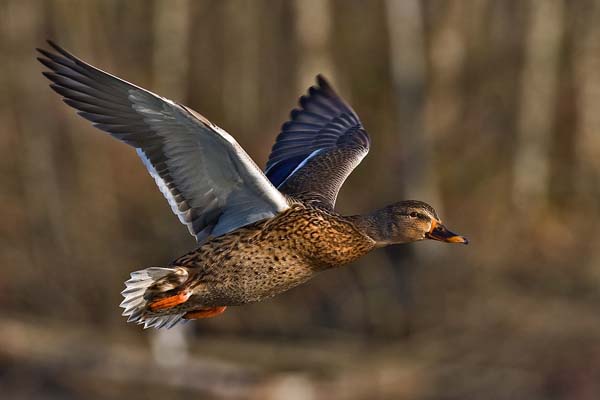
Mallard (Female), LaFarge Lake, Coquitlam, British Columbia Photograph by Alan And Elaine Wilson. Some rights reserved. (view image details)
MALLARD FACTS
DescriptionThe male Mallard duck is brown gray with green head and narrow white neck ring. The breast chestnut-brown, and underside is light gray. The rump is black, and tail is black with white outer feathers. The bill is yellow or greenish with black tip. The feet are red. In the non-breeding season, the male has less green on the head, brown face and body and wings are mottled brown and white. The female is brown with white and buff streaks, and a dark line through the eye, and dark streak on top of the head. Immatures are similar to females. Size 50cm - 65 cm Environment wetlands, lakes, marshes, streams Food insects, aquatic invertebrates, seeds, aquatic vegetation, grain. Breeding The Mallard nest is a depression in the ground lined with vegetation and down. Lays one to thirteen cream to greenish eggs which hatch after 23 - 30 days. Range Found from Alaska across much of Canada to Nova Scotia (absent from northern Quebec, Newfoundland and Nunavut Territory). Found throughout most of the United States into Mexico. Also found in Greenland, Europe, Asia. Classification
Relatives in same Genus Northern Pintail (A. acuta) American Wigeon (A. americana) Northern Shoveler (A. clypeata) Green-winged Teal (A. crecca) Cinnamon Teal (A. cyanoptera) Blue-winged Teal (A. discors) Eurasian Wigeon (A. penelope) Gadwall (A. strepera) Home | Mammals | Reptiles | Birds | Insects | Privacy Policy | Disclaimer | Contact Us |